
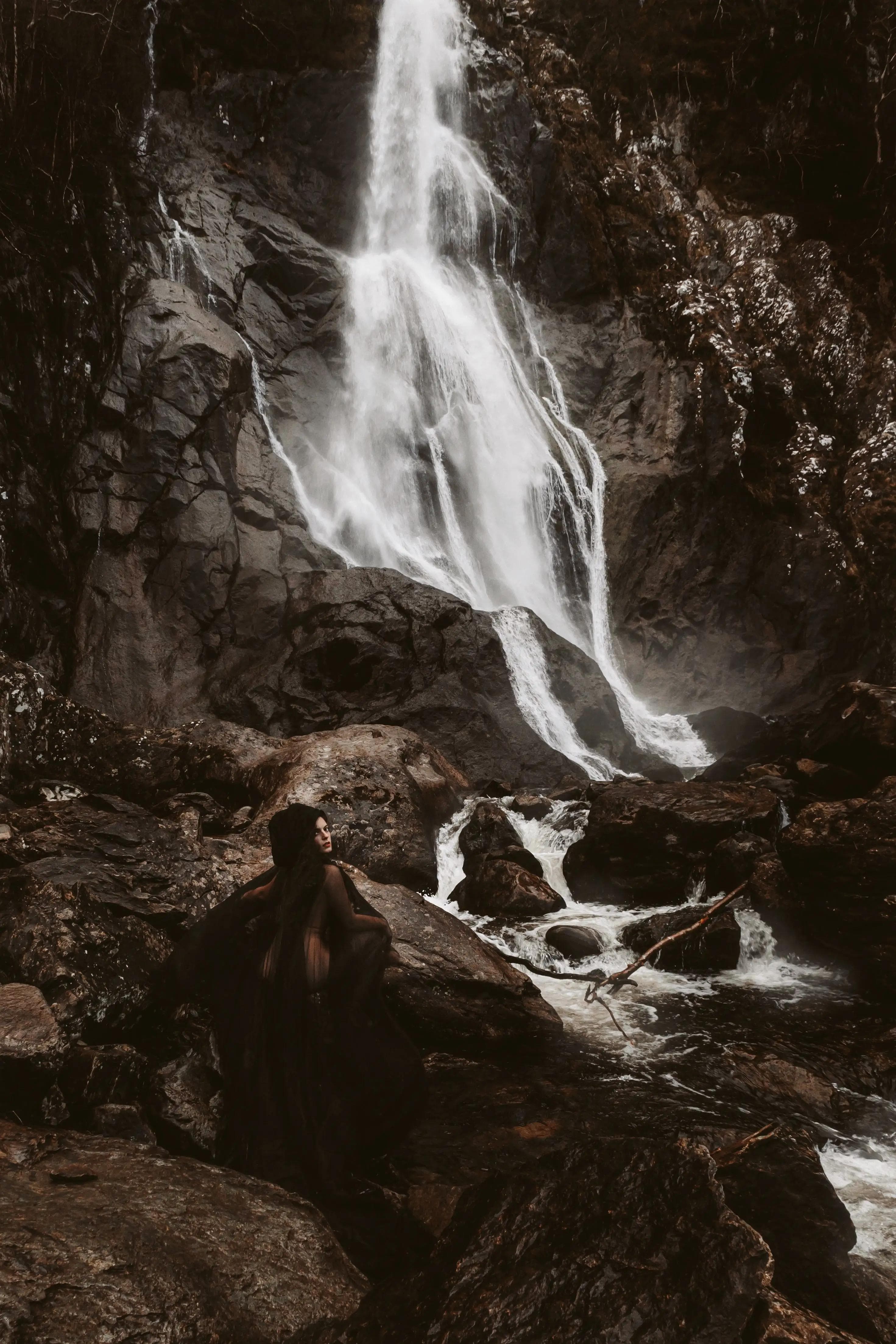
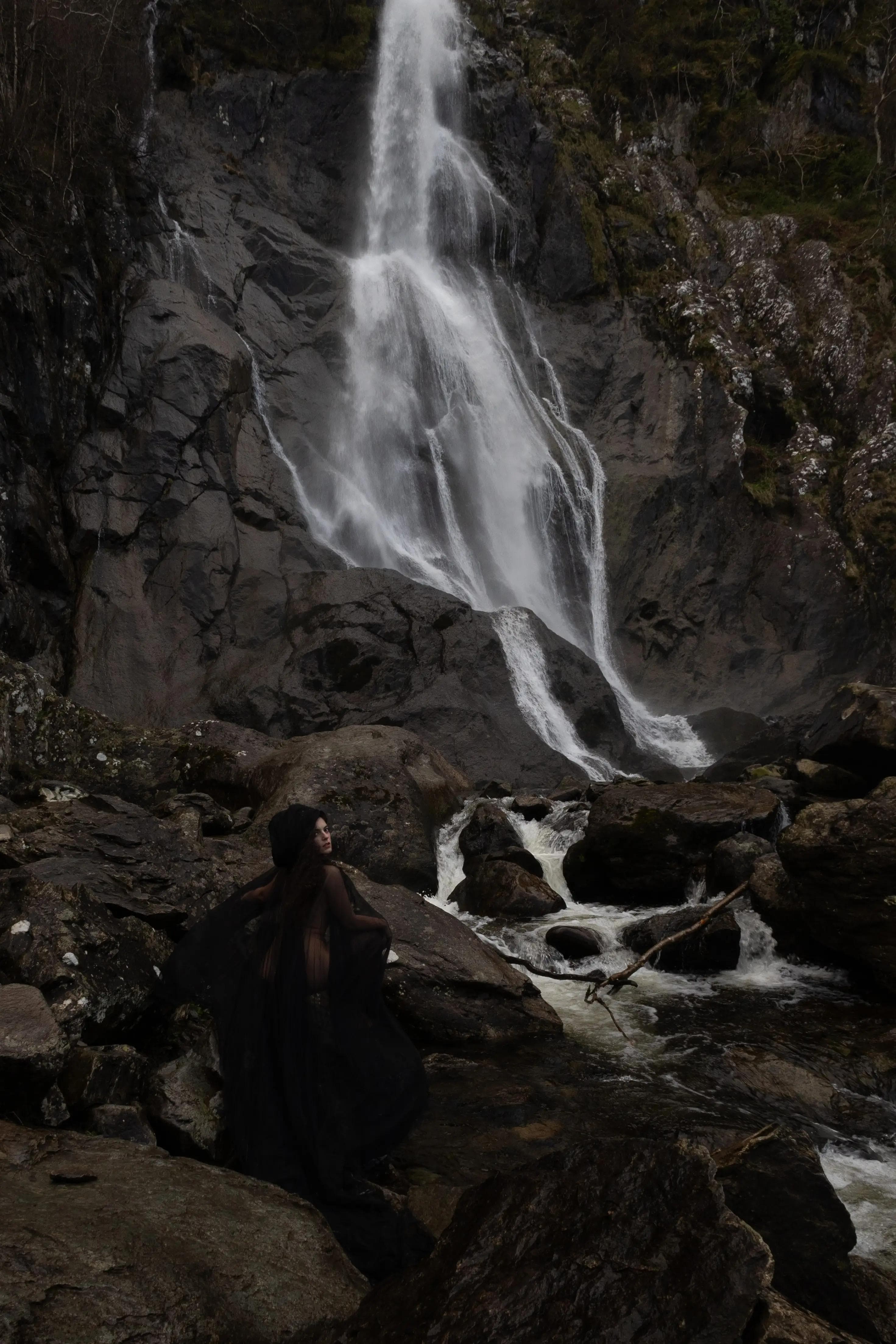
Morgan le Fay is a legendary enchantress from Arthurian mythology, whose name means “Morgan the Fairy.” She first appeared in early Arthurian legends as a healer and magical figure associated with Avalon, the mystical island where King Arthur was taken after his final battle. In early texts, especially Vita Merlini by Geoffrey of Monmouth (c. 1150), she was portrayed as a benevolent and wise enchantress. Over time, however, her image changed, reflecting shifting cultural attitudes toward female power in medieval literature.


Morgan le Fay didn’t start out as a villain. In the earliest versions of the Arthurian legends, she was a healer, a powerful enchantress. Some stories even called her a fairy, not evil, just otherworldly, closely tied to nature, magic, and ancient knowledge. But as the legends were rewritten over the centuries, especially in medieval Europe, her image shifted. She became Arthur’s jealous half-sister, a seductress, a sorceress working against the knights of Camelot, a familiar archetype in medieval storytelling. It wasn’t magic that turned her dark, it was the storytellers. The more uncomfortable people became with powerful women, the more she was cast as dangerous. Her fall from fairy queen to villain says less about her and more about the world that tried to rewrite her, revealing how myth adapts to fear and control.

In these self portraits, inspired by mythological reinterpretation and symbolic portraiture, I imagined Morgan le Fay not as a villain, but as a woman exiled for her power, a quiet force, shaped by wind, water, power and solitude. She’s part of the landscape now: as steady as stone, as fluid as the river, echoing the ancient connection between feminine figures and the natural world. There’s no rage, only a quiet knowing, maybe a trace of sadness. Cast aside for being feared, she’s become something truer, deeper. Not tamed, but at peace with who she really is, reclaimed as a symbol of autonomy, resilience, and inner sovereignty.
© 2026 Veevidly. All rights reserved.